
| Detail | Information |
|---|---|
| Title | I Want to Stop Killing |
| Genre | Psychological, Dark Fantasy, Thriller |
| Episode Focus | Protagonist’s inner conflict and attempt to abandon violence |
| Main Theme | Guilt, redemption, moral struggle |
| Protagonist | A former killer seeking a peaceful life |
| Conflict Type | Psychological and external threats |
| Tone | Dark, intense, emotional |
| Art Style | Gritty, shadow-heavy, expressive |
| Story Pace | Slow-burn with tense moments |
| Target Audience | Mature readers (18+) |
I Want to Stop Killing is a psychological manhwa thriller that explores the inner world of a protagonist caught between the need to survive, the need to feel guilty, and the need to feel at-redemption. It is in contrast to the usual action-oriented manhwa much more emotive conflict and moral issues, as well as the psychological impact of violence. Its somber tone and dramatic narrative has earned it a nutrient book among those readers who like reading mature and thought provoking stories.
Plot Overview
It is a story of a main character that has had a blood-streaked life. Killing is something that was once a necessity, be it the war or the crime or the manipulation but now it has become a burden which the protagonist craves to get rid of. Troubled by the thoughts of the things he has done, the character wants to break this circle of the death.
However, stopping is not easy. The past will not be repressed, and the antagonists, situations, and personal inner monsters remind the main character of violence all the time. The manhwa is set against a situation where the lead, with each decision, has an outcome, and the readers are left wondering whether the lead will be redeemed in any way.
Themes and Depth of Psychology.
The exploration of psychological trauma can also be rated as one of the strongest features of I Want to Stop Killing. Violence is not celebrated in the manhwa but rather it is the psychological effects of the constant act of killing. The aspect of guilt, regret, nightmares, and emotional numbness are depicted in a realistic way, which makes the story look crude and real.
Redemption is another major theme. The story poses a significant question, can one who has killed so many people ever really become someone different? Instead of giving easy solutions to its readers, the story creates morally ambiguous scenarios that put the main heroine and the reader to the test.
Character Development
The development of character is one of the key attributes of this manhwa. The hero is not described as an ideal hero but as a profoundly damaged person striving to recover his/her humanness. The chapters unveil new personality, backstory, and motivation.
The roles of support characters are very important too. Part of them is related to hope and forgiveness, another part is the brutality of the past the heroine is attempting to get rid of. These exchanges provide an emotional depth and contribute to the narrative in a significant manner.
Art Style and Atmosphere
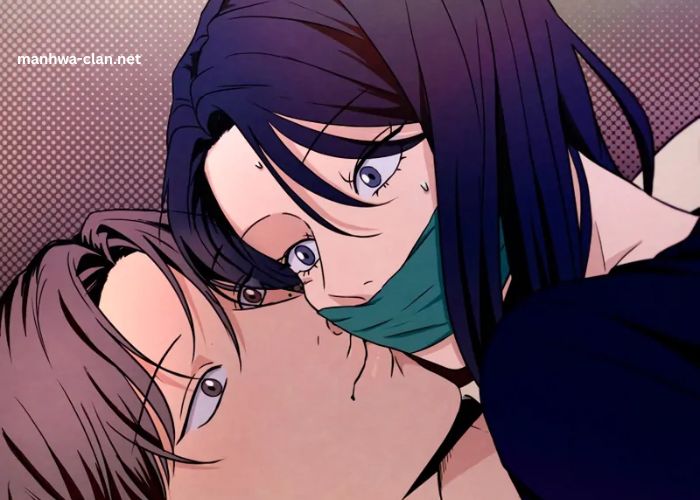
The dark themes of I Want to Stop Killing are perfectly matched with the art style of the same work. There is a tense and, in most cases, uncomposure atmosphere on sharp expressions, heavy shadows and detail backgrounds. The visual narration is good at capturing emotions without the use of dialogue to the extent of overpowering the moment, whether intense or silent.
Action scenes are cruel yet meaningful, and the focus is on the price of blood and not on the action itself. This method of art enhances the psychological effect of the manhwa.
The Reasons Why I Want to Stop Killing You Should Read.
In the event that you like manhwa that are not just superficial action narratives, but contain a deeper emotional and moral insight, then this series is a read. It is an appeal to the lovers of psychological mysteries, dark fantasy, and adult fiction. Slow-burn storytelling will keep the audience eager to read until the end, and the inherent internal conflict of the main character will provide a strong emotional twist.
Final Thoughts
I Want to Stop Killing is a notably good manhwa that is filled with psychological insights, the dark narrative, and the development of the characters. It is distinguished by its sincere depiction of the sense of guilt and the torturous path to the redemption. This title provides a memorable and powerful story that can be followed by readers who want to read a somber, emotional-filled manhwa.